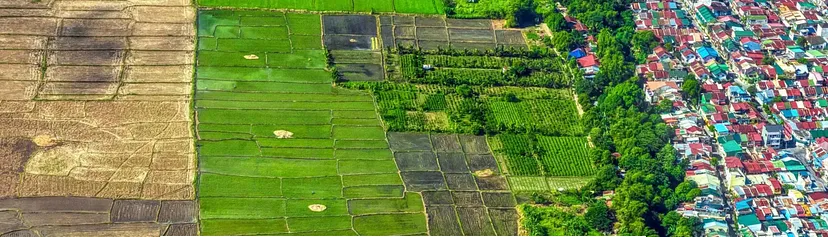
Agriculture is predominantly a rural economic activity, especially in developing and underdeveloped nations. It plays a crucial role in uplifting farming communities and rural establishments. However, the growing level of urbanization has raised serious concerns regarding its effects on agriculture.
Currently, 56% of the world’s population lives in cities. It is expected that the urban population will more than double its current size by 2050. While urban development is considered the engine of economic growth, it also brings a fair share of challenges in terms of making more space and creating livelihoods. It puts pressure on natural resources which in turn can adversely impact the agriculture sector. At the same time, cities are also the hub of technological innovation, policy making, and higher productivity which are necessary to drive rural growth.
Hence, it is challenging to determine whether urbanization is a threat or an opportunity for agriculture. Let’s explore both perspectives for a better understanding.
Threats
Agricultural Land Loss
Rapid urbanization is leading to demand for more infrastructure facilities such as housing, commercial complexes, public utilities, etc. This demand is often compensated by the conversion of forests and farmlands into urban land usage. A study shows that urban expansion will result in a 1.8–2.4% loss of global croplands by 2030, with substantial regional disparities. Given that the arable land is gradually declining while the demand for food is rapidly increasing due to the growing population, food security challenges may intensify.
Resource Scarcity and Habitat Loss
Apart from land, agriculture needs a natural ecosystem of soil, water, and biodiversity. Unfortunately, urban activities are leading to scarcity of water, loss of fertile land, and environmental degradation. Several plant and animal species which are instrumental in the food chain are becoming endangered or extinct.
Climate Change
Urban areas account for 71–76% of CO2 emissions and hence, are major contributors to climate change. It is a fact now that climate change lowers crop yield and quality and increases the risk of pest attacks and plant diseases.
Opportunities
Agtech Technology
According to an article published in the World Economic Forum, technology can transform the global food production system and mitigate its impact on the climate and environment. Today, technologies such as soil sensors, robotic farming, biotechnology, precision farming, satellite imaging, etc are driving agriculture towards sustainability. Urban areas have the talent, infrastructure, and policy framework which are prerequisites to advancements in agtech.
Market Linkages
Urbanization can reduce distances between villages/remote areas and cities. This will enable the growers to access inputs, credit, markets, knowledge, modern tools and technologies, and resources easily. The growers can increase their income by selling directly to the markets and eliminate the role of intermediaries in the supply chain. The supply chain efficiency will reduce the cost of food for consumers and minimize food wastage.
Shift Towards a Plant-Based Diet
An increasing number of the world’s urban population is adopting plant-rich diets, plant-based meat alternatives, organic foods, and cruelty-free foods. This new dietary pattern trend has increased the demand for different varieties of foods which will encourage farmers to grow more crops and earn better income. A plant-based diet will also minimize the slaughter of animals for food and reduce greenhouse emissions.
Urban Farming
Urban agriculture is being viewed as one of the robust ways to encourage local and sustainable farming. It improves access to nutritious, affordable, and fresh produce. Today, urban agriculture generates 20% of the world’s food! Urban farming techniques such as vertical farming, aquaponics, aeroponics, and hydroponics can help grow without or with minimum soil, water, and land usage.
Conclusion
Both rural and urban economies must co-exist, grow together, and leverage their interdependency to create a sustainable future of agriculture. It is a long road ahead but not impossible. It calls for a joint handshake between all stakeholders of the ecosystem.
Syngenta Innovation Dialogues is part of the Shoots by Syngenta Accelerator initiative
The Syngenta Group Startup Accelerator program, part of the larger “Shoots by Syngenta” platform, provides early-stage companies with a supportive #ecosystem to develop new #agriculture #technologies. It includes giving #startups the opportunity to pilot their technology at Syngenta’s Farm of the Future and select grower locations globally, mentorship from our business leaders, the ability to connect with industry experts, as well as resources and funding to accelerate their growth and impact.
At Syngenta Group, we believe in #innovation and #collaboration. If you think you have what it takes, then we have the platform for you!
The Shoots by Syngenta Program is managed for Syngenta by Excelerate.



%201.webp)