The statistical yearbook 2022 released by the Food and Agricultural Organization of the United Nations reveals some alarming statistics.
Moreover, issues such as the exponentially-growing population leading to food security challenges, climate change, and shift in consumer food preferences are further creating a need for optimizing productivity in the agriculture sector.
The agricultural ecosystem needs a radical transformation. It needs to become a powerful enabler of a more accessible and resilient food system. The only way this can happen is through technology. A Monitor Deloitte report ‘From Agriculture to AgTech’ states that technology can improve yield efficiency, increase supply chain efficiency, and decrease complexity along farmers’ value chain.
Let’s take a look at eight production-enabling technologies that are touted to disrupt the agricultural industry.
Soil and its characteristics are one of the high-impact factors in agriculture. Even a small tweak in the property of soil can improve farm productivity considerably. The manual sampling of soil has two drawbacks: the results could be inaccurate and they may not cover the soil characteristics of the entire farm.
Soil sensors overcome these drawbacks. They are sophisticated soil monitoring instruments that can give instant and accurate information on the moisture content, salinity, temperature, and nutrient levels of the soil. The farmers can then determine the amount of water and fertilizers that the soil needs to increase the quality and quantity of crops.
Soil sensors can be highly effective technology in water conservation, prevention of soil erosion, and reducing the carbon footprint of fertilisers.
Shortage of manpower is emerging as a big challenge in the growth of the agriculture sector. The agricultural workforce is reducing as more people migrate from rural to urban areas. Moreover, a few mundane farming tasks take most of the time of farmers.
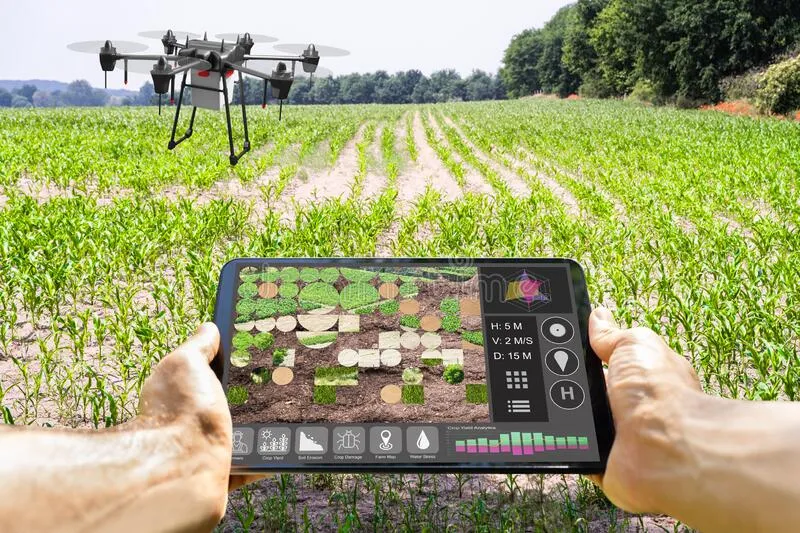
In such a scenario, robotic farming appears to be a viable solution. Autonomous systems such as self-driving tractors and drones with in-built Artificial Technology (AI) are brilliant innovations in farm automation technology. Robots can do repetitive and routine activities such as seeding, weeding and mowing, harvesting, spraying pesticides, watering the crops, plucking, and sorting and packing the produce. Drones can also be used for pest monitoring, and soil analysis through aerial visual inspections.
Robotic farming can help achieve labour efficiency, run farming operations 24/7, and minimise the wastage of resources.
The crop yield can get adversely impacted due to insect and pest infestation, diseases, and unpredictable weather patterns. Biotechnology can address these challenges to a great extent.
One of the most groundbreaking concepts in agricultural biotechnology is genetic engineering which enables the transfer of desired genes of useful traits from one crop or animal to another. This can help produce crops that are resistant to pests, diseases, and abiotic stresses such as heat, cold, and drought. Biotechnology can also increase the nutritional content of foods, thereby allowing nations to alleviate hunger and malnutrition problems.
Crops produced through biotechnology are sustainable for the environment as they use fewer fertilisers and can be grown with less tilling of land. This can further minimise soil erosion and improve water retention in the soil.
A majority of farmers rely largely on manual bookkeeping and records or basic computer software systems. However, these conventional systems are tedious to use. More importantly, they don’t provide timely and precise information.
That’s why big data and analytics are increasingly gaining a foothold in the agricultural industry. They enable farmers to collect real-time data on different farming activities and use that data to make informed actionable decisions. They create algorithms that can help farmers in pesticide use optimization, farm equipment management, supply chain problem management, food wastage reduction, and yield management.
Agri-experts believe that big data and analytics can take precision agriculture and smart farming to the next level.
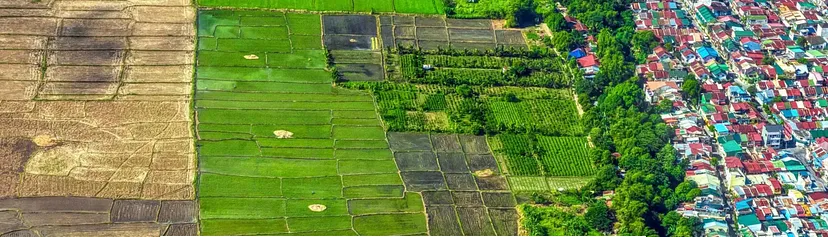
Satellite imaging enabled by Global Positioning System (GPS) and Geographical Information System (GIS) has the immense potential to radically transform agriculture. It leverages a combination of high-resolution imagery and remote sensing to help farmers evaluate natural and manmade damages to their soil and crops, and also forecast climate patterns at various spatial scales.
Weather and pest information can help farmers chart a preventive plan of action to protect their crops. They can also determine the exact amount of agrochemicals for sustainable, reliable, and efficient crop cultivation. Satellite imaging can also be instrumental in the mapping of fields and irrigation systems.
The use of hardware and software in agriculture will increase substantially in the coming years. Hence, there will be a strong need for uninterruptible and reliable communication network infrastructure which can be achieved through IoT.
IoT sensors are connected to the cloud via satellite or cellular networks. They can gather machine and environmental metrics to give accurate data on soil quality, weather conditions, and the growth progress of crops. This information can be useful in bridging the gap between production, the quantity of yield, and the quality of yield while reducing greenhouse gas emissions.
Farmers can also have better control over their internal processes, costs, production risks, and waste management.
RFID is emerging as a valuable technology in farm automation and control. It brings a host of benefits that can streamline agricultural operations, especially in tracking and monitoring various processes.
RFID can help farmers track the production, harvesting, and distribution of crops, thereby increasing the yield, optimising the supply chain, and reducing food wastage.
Vertical farming is another technology that is paving the way for ecological practices in agriculture. It can bridge the growing gap between the demand and supply of food.
Vertical farming techniques such as aquaponics, aeroponics, and hydroponics eliminate the use of soil. This, in turn, reduces the need for water and fertilisers. Vertical farming also maximises space utilisation, which is a necessity given that arable land is on the decline. So, vertical farming can play a vital role in minimising the depletion of natural resources.
Moreover, vertical farming can also overcome challenges such as unpredictable climatic conditions and plant diseases. It can be practised in urban locations which can reduce the supply chain time and cost.
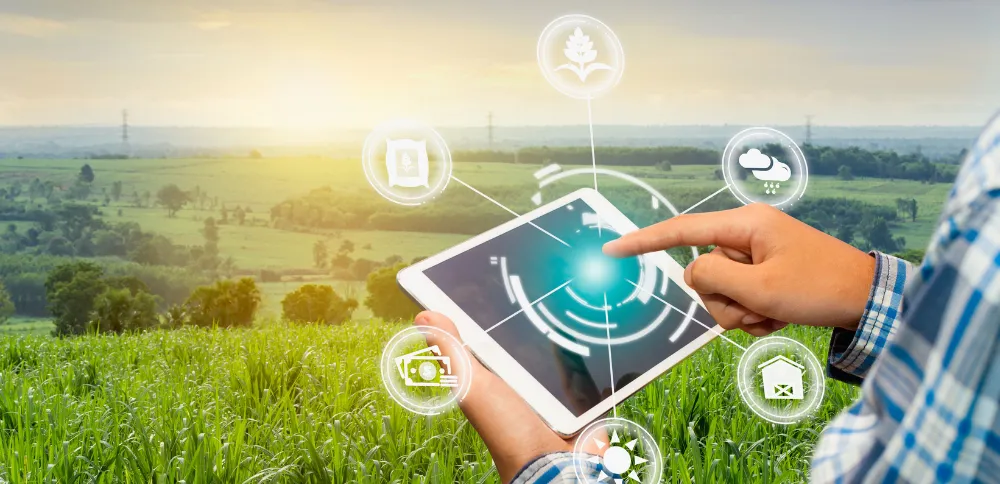
There is no doubt that technology is the primary driver of the revolution in agriculture. Technology adoption is still in the nascent stage, but it is already showing impressive results. The agricultural stakeholders need to build further on this foundation for a profitable and sustainable future for farming.
The Syngenta Group Startup Accelerator program, part of the larger “Shoots by Syngenta” platform, provides early-stage companies with a supportive #ecosystem to develop new #agriculture #technologies. It includes giving #startups the opportunity to pilot their technology at Syngenta’s Farm of the Future and select grower locations globally, mentorship from our business leaders, the ability to connect with industry experts, as well as resources and funding to accelerate their growth and impact.
At Syngenta Group, we believe in #innovation and #collaboration. If you think you have what it takes, then we have the platform for you!
The Shoots by Syngenta Program is managed for Syngenta by Excelerate.

%201.webp)