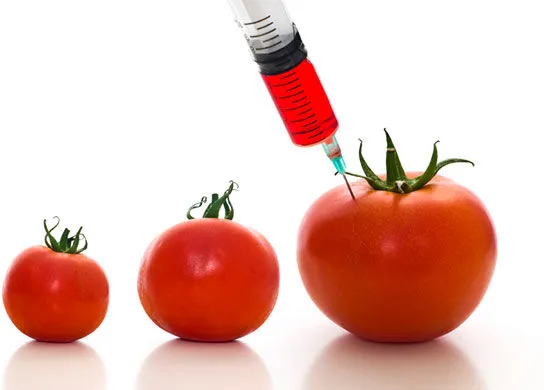
USA, Brazil, Argentina, Canada, India, and China are among the largest commercial producers of Genetically Modified (GM) food in the world. Spain is the top GM food grower in the European Union. Last year, Kenya lifted a decade-long ban on the cultivation and import of GM foods. Recently, Australia approved four GM crops for cultivation. Around 30 countries in the world grow GM foods such as maize/corn, cotton, soybean, pumpkin, squash, canola, onion, brinjal/aubergine, etc.
The cultivation and consumption of GM foods is on the rise and this reflects in its market size and potential. The GM food market generated a market value of USD102.8 billion in 2022 and it is expected to reach 188.13 billion in the next 10 years at a CAGR of 6.2%.
The most prominent value addition associated with GM foods is that they can help meet food security and sustainability goals. Let’s explore how.
Reduction in the Use of Pesticides
The global use of pesticides has increased by nearly 50% in the recent decade as compared to the 1990s. The pesticide manufacture, distribution, and application jointly account for annual emissions of 19.9 million metric tons of carbon equivalent.
Given that pesticides have dangerous effects on both human and planet health, GM foods have emerged as a safer and environment-friendly alternative. A study found that pesticide spraying was reduced by 8.6% in the period 1996–2018 by adopting GM crops with insect-resistant and herbicide-tolerant traits. GM crops also reduced tillage and fuel use, thereby decreasing greenhouse gas emissions.
Hence, genetically engineered crops can help farmers lower pesticide application as a sustainable measure.
Crop Cultivation During Droughts
GM foods can be developed with drought-tolerant genes. This trait can be highly beneficial to grow crops in areas which are drought-prone or facing a prolonged drought crisis.
Take the case of Kenya for example. The country has witnessed the worst drought in 40 years due to four successive failed monsoon seasons. It is on the brink of famine and leaving millions of people food insecure. That’s why it has decided to fight hunger by planting GM maize (staple diet of Kenya) seeds on half a million acres to fight hunger.
Drought-resistant GM crops can also be highly instrumental in conserving water which is become a scarce natural resource worldwide.
Higher Crop Yield
Insects, weeds, and diseases can rob the soil of essential nutrients and damage the harvest. Unpredictable climate changes such as higher temperatures, flooding, or intense storms can also result in crop loss.
The DNA sequences of GM crops can be altered to make them resistant to all these stressors, ensuring higher crop quality and quantity consistently to feed the growing population.
Dense Nutritional Content
A report states that there is a rapid demand for healthy and clean foods that are protein-based, plant-based, natural, and less processed. GM foods can be bioengineered to develop alternative healthy foods by increasing their nutritional content. Nutritionally dense GM foods can also combat nutritional deficiencies in several nations.
For example, golden rice, a biofortified food contains beta carotene necessary to fulfill Vitamin A deficiency. GM soybean oil is healthier than non-GM oils which contain trans fats. Biofortified wheat has high iron and zinc content.
Prevent Food Wastage
Food wastage is one of the biggest threats to food security. An estimated 17% of total global food production is wasted every year (11% in households, 5% in food service, and 2% in retail). Moreover, food wastage accounts for 38% of total energy usage in the global food system.
Genetic engineering can tackle food wastage by improving the lifespan of food or making them resistant to trivial cosmetic issues. For example, the United States has developed a biotech fruit called ‘the arctic apple’ which is immune to browning after being cut but still preserves its natural flavor and nutritional value. Canada produces GM potatoes with reduced starch to prevent potatoes from bruises, black spots and shrinking.
Busting GM Food Myths
Critics argue that GM foods are unsafe to consume or cause allergic reactions. However, several scientific studies have been conducted to test and prove the safety of GM foods. U.S. Food and Drug Administration (FDA) has even published a media guide to dispel the health myths related to GM foods.
Conclusion
GM foods have the immense potential to address food security and sustainability challenges. However, there is a need to tighten the regulatory framework to ensure that it ensures productivity and profitability for farmers. It is also necessary to create awareness about the safety and benefits of GM foods among farmers and people. Most importantly, GM foods should be commercially launched in the market only if it is backed by reliable scientific evidence.
Syngenta Innovation Dialogues is part of the Shoots by Syngenta Accelerator initiative
The Syngenta Group Startup Accelerator program, part of the larger “Shoots by Syngenta” platform, provides early-stage companies with a supportive #ecosystem to develop new #agriculture #technologies. It includes giving #startups the opportunity to pilot their technology at Syngenta’s Farm of the Future and select grower locations globally, mentorship from our business leaders, the ability to connect with industry experts, as well as resources and funding to accelerate their growth and impact.
At Syngenta Group, we believe in #innovation and #collaboration. If you think you have what it takes, then we have the platform for you!
The Shoots by Syngenta Program is managed for Syngenta by Excelerate.




%201.webp)