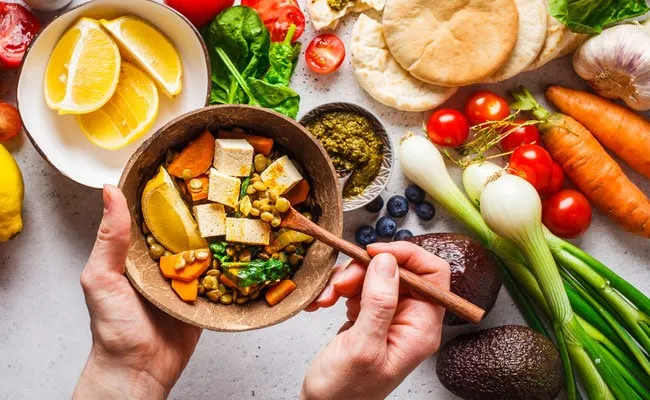
An international research paper highlights that the global food system is the primary driver of biodiversity loss. However, a shift to a plant-based diet can be a significant principal lever to address this concern. A meatless or dairy-free future seems unimaginable and impossible but it has immense potential to solve the world food crisis.
Let’s explore the reasons why the plant-based dietary pattern is the key to a sustainable food strategy.
Prevent Animal Slaughter
Millions of animals are slaughtered every year for meat. The amount of meat that people consume has tripled in the last 50 years. A vast majority of these animals are raised in industrial factory farms. These farms adopt cruel practices and unhygienic conditions to produce meat quickly and cheaply.
A switch to a plant-based diet will reduce the demand for meat and thereby, prevent livestock rearing and slaughter under these conditions. It will make food production more ethical.
Get More Agriculture Land
26% of the earth’s ice-free land is used for livestock grazing while 33% of the croplands are used to grow livestock feed such as soy and cereals. More shockingly, only 55% of the world’s crops are allocated for humans, the rest are fed to animals (36%) or converted into biofuels (9%).
If the world stops the consumption of meat and becomes vegan or vegetarian, this land can become available to grow more crops. Moreover, if 40% of all crops produced today for feeding livestock could be used for human consumption; there would be sufficient cropland to feed 9 million people by 2050!
Reduce Greenhouse Emissions
Global livestock is responsible for releasing 14.5% of all anthropogenic greenhouse emissions. The greenhouse effect is the key driver of climate change which in turn is already disrupting food production quantity and quality.
However, plant-based dietary preferences can slow down this effect. A study found that rapid global phaseout of animal agriculture can stabilize greenhouse gas levels for three decades and offset 68% of carbon dioxide emissions in this century.
Lower the Global Burden of Diseases
It is estimated that 60% of emerging infectious diseases reported globally originate in animals. Many animals receive synthetic hormone injections and antibiotics to control their growth rate or production of milk, fat, and muscles. When humans consume dairy products or meat, it can adversely impact their health.
Plant-dominated food consumption can prevent disease outbreaks and lower the disease burden on the health system.
Expedite Alternative Protein Innovations
A common argument in favor of the consumption of animal-based foods is that they are an essential source of protein and other nutritional requirements. However, several studies indicate that animal protein, especially that found in processed meats, poses several health risks for humans. Moreover, land use to produce a gram of protein or 1000 kilocalories is many times more than making plant-based foods.
An increasing number of health-conscious people and environment lovers are now migrating to plant-based proteins such as legumes, pulses, tofu, nuts, etc. Many agritech startups are also developing plant-based and cultivated (cell-based) protein alternatives that have meat-like texture and taste. Hence, the rise in demand for plant-based proteins will expedite these developments further.
Conserve Water
The water footprint of producing an animal-based food product is much higher than grains, fruits, or vegetables. It is estimated that the production of one pound of beef, pork, and chicken requires 2,000, 720, and 520 gallons of water respectively. However, it takes less water for the production of soybeans (256 gallons), wheat (220 gallons), and corn (148 gallons).
The adoption of a plant-based diet can improve the water conservation rate and slow down the water crisis.
Conclusion
While the livestock industry has its drawbacks, it provides livelihood to millions of people. Further, it is challenging to change people’s food preferences. Being vegan, vegetarian, or non-vegetarian is a choice. Having said this, one can’t deny that a dietary switch to plant-based foods has more advantages than animal-based foods in the light of alarming facts highlighted above. Hence, rationally, a plant-based diet is a sustainable step for the global food system.
Syngenta Innovation Dialogues is part of the Shoots by Syngenta Accelerator initiative
The Syngenta Group Startup Accelerator program, part of the larger “Shoots by Syngenta” platform, provides early-stage companies with a supportive #ecosystem to develop new #agriculture #technologies. It includes giving #startups the opportunity to pilot their technology at Syngenta’s Farm of the Future and select grower locations globally, mentorship from our business leaders, the ability to connect with industry experts, as well as resources and funding to accelerate their growth and impact.
At Syngenta Group, we believe in #innovation and #collaboration. If you think you have what it takes, then we have the platform for you!
The Shoots by Syngenta Program is managed for Syngenta by Excelerate.



%201.webp)